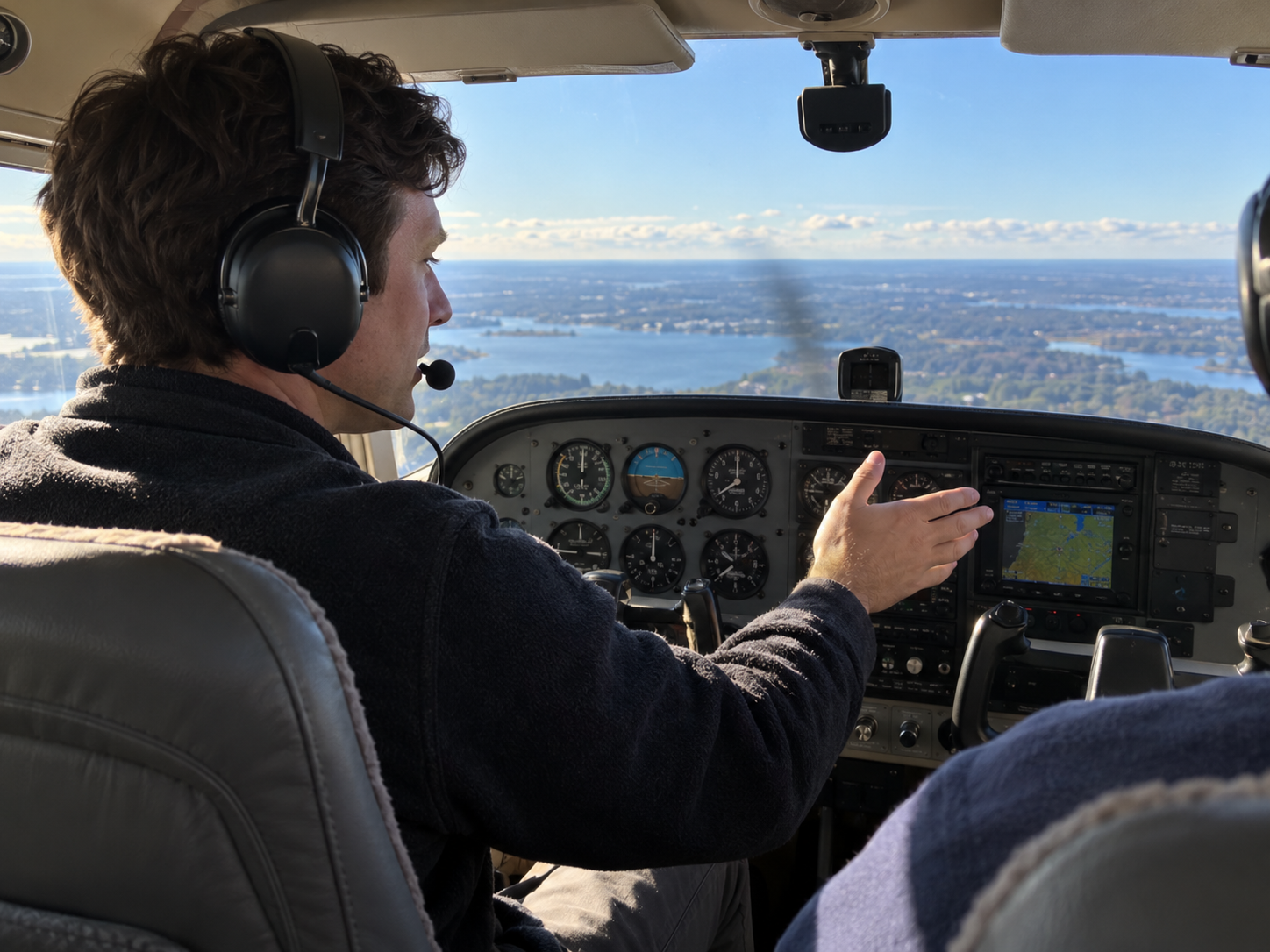
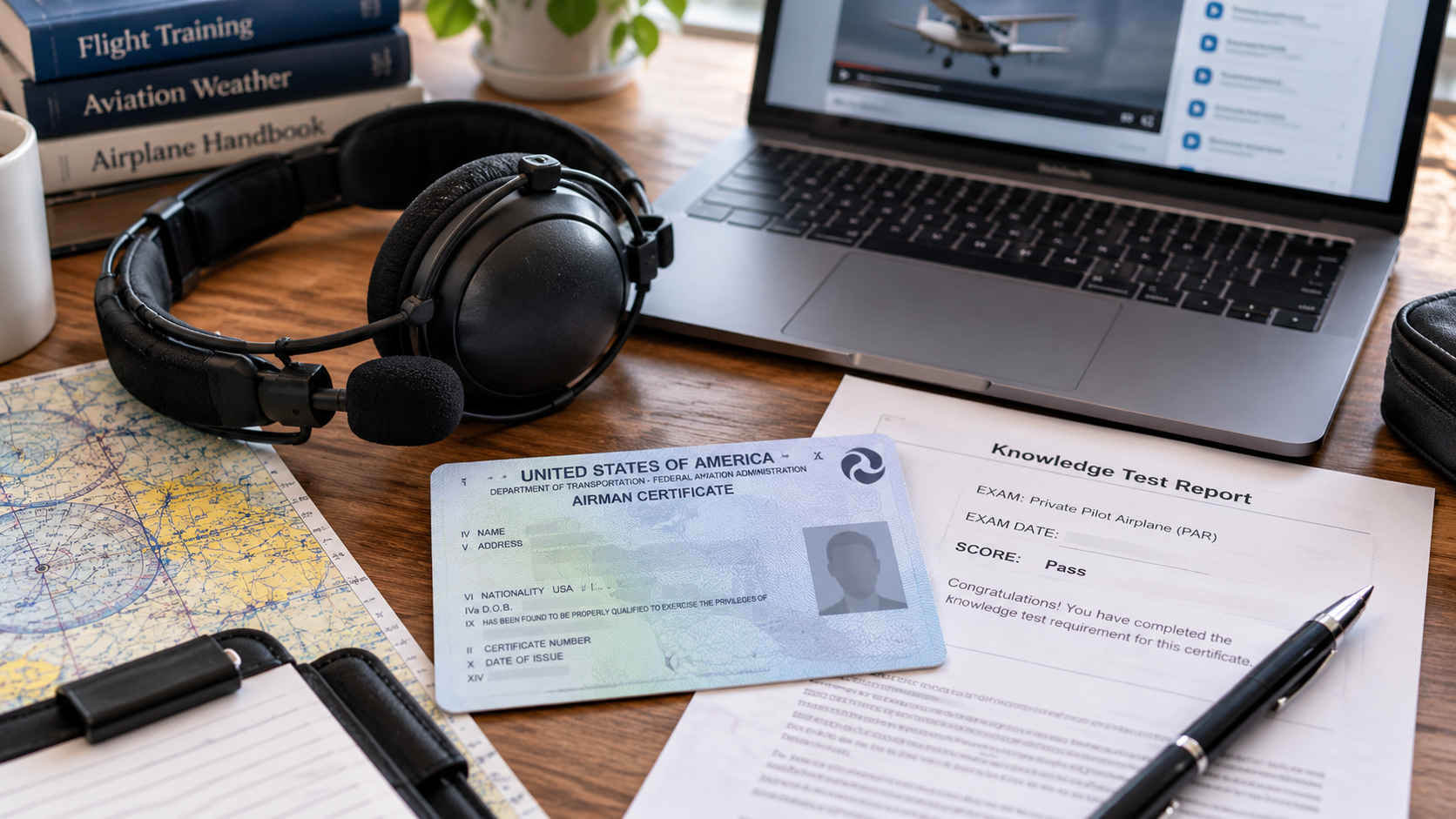
Ask a group of working CFIs which checkride was hardest, and most will say their own, not their private, instrument, or commercial. Say it in a room full of instructors and watch a few of them wince, remembering specific questions.
It's a common enough opinion in flying circles that it's practically conventional wisdom, and there's a real reason behind it: every checkride before the CFI tests whether you can fly the airplane. The CFI checkride tests whether you can fly it while explaining it, correctly, to someone who doesn't already know how.
The Shift From Doing to Teaching
Through the private, instrument, and commercial certificates, the standard is consistent: perform the maneuver within tolerances and explain what you did if asked. The CFI checkride flips that. You're expected to teach the maneuver as if a student were sitting next to you, including the aerodynamics behind it, the common errors a student makes, how those errors show up in the airplane, and how you'd correct them, all while flying to commercial-level tolerances yourself.
That's a genuinely different skill than executing the maneuver well. Plenty of pilots who fly a steep turn beautifully struggle the first time they try to narrate the aerodynamics of it out loud while flying it. The checkride is testing exactly that gap.
Why the Oral Exam Runs So Long
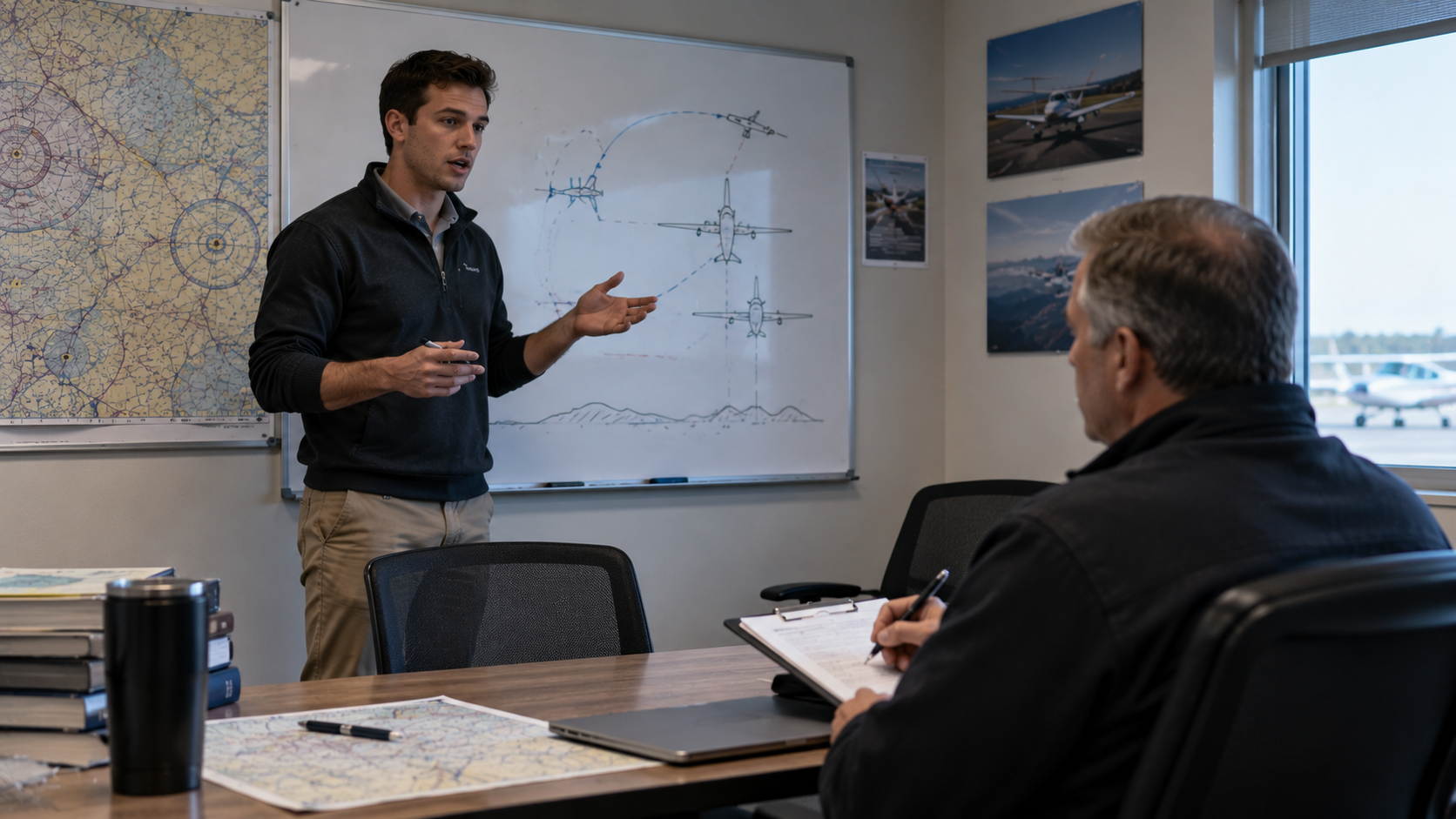
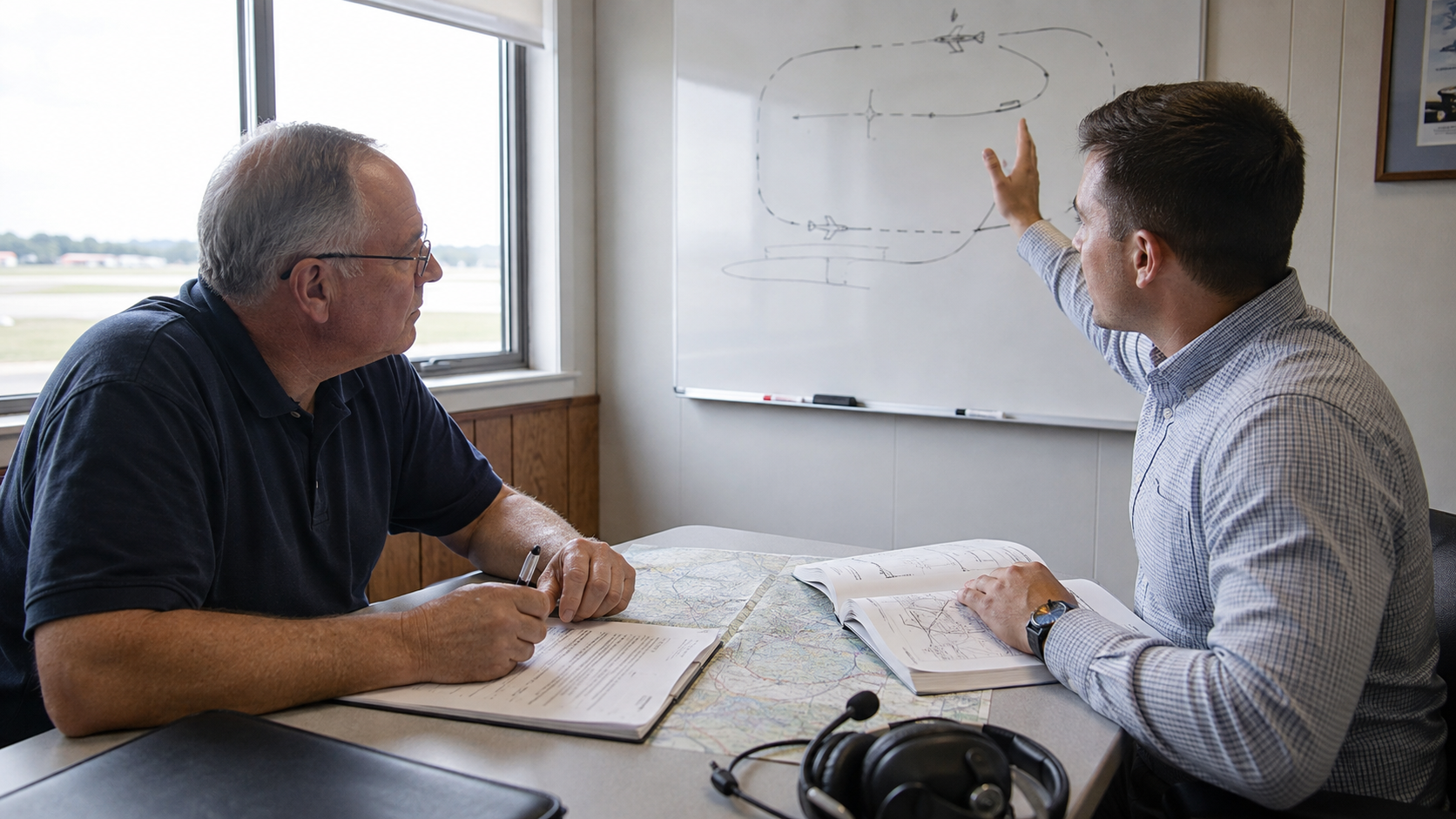
CFI oral exams routinely run longer than any prior checkride's oral portion, and it's not because there's more raw material to cover. It's because the examiner is probing for understanding, not recall. A DPE can ask the same underlying concept from three different angles, and an applicant who memorized a single explanation will only survive the first one. Applicants who understand the concept well enough to explain it from any angle handle this without issue; applicants who crammed answers tend to get exposed here.
What Sets a Confident Applicant Apart From a Prepared One
There's a meaningful difference between an applicant who feels confident going in and one who's actually prepared for this specific checkride's demands. Confidence built on flying skill alone can be misleading, since the CFI checkride tests a different capability. The applicants who go in genuinely ready have usually spent real time uncomfortable, deliberately practicing the parts of teaching that don't come naturally yet, rather than sticking to what already feels easy. That discomfort during prep is a reasonable sign you're training the right skill, not a reason to worry something's wrong.
The "Explain It to Teach It" Problem
There's a specific failure pattern worth naming directly: pilots who can fly every maneuver on the ACS well, but freeze up or go vague the moment they're asked to teach it. It's not a flying deficiency, it's a preparation gap. Flying a maneuver correctly and being able to break down why it works, what a student typically does wrong, and how to fix it in real time are two different kinds of study, and applicants who only did the first kind of preparation are underprepared for this checkride specifically.
The fix isn't more flying, it's practicing the explanation out loud, before the checkride, ideally to another person who can push back with follow-up questions the way a DPE will.
What Actually Helps CFI Applicants Prepare
A few things separate applicants who go into the CFI checkride confident from those who go in hoping to get through it:
Practicing teaching maneuvers out loud, not just reviewing notes silently
Working through the "why" behind every maneuver and regulation, not just the "what"
Getting comfortable being asked the same question multiple ways without a scripted answer to fall back on
Treating mock orals with another person as seriously as the actual exam
A Realistic Timeline for Getting Ready
Most applicants who prepare deliberately for the CFI checkride spend somewhere between four and eight weeks on dedicated oral prep, layered on top of the flight training they're already doing. That range varies with how much teaching practice someone gets in outside of lessons, since talking through maneuvers with a study partner a few times a week compresses the timeline considerably compared to reviewing material alone. Applicants who skip that kind of active practice and rely on reading or watching videos tend to feel confident right up until a DPE asks a follow-up question that doesn't match anything they memorized. Scheduling the checkride itself before the oral prep genuinely feels solid is one of the most common ways applicants end up rescheduling, since the flying portion is usually the shorter half of the exam. Building in a buffer week before the actual test date gives room for a bad practice session or two without derailing the whole schedule. That cushion is cheap insurance against a stressful final week. It rarely goes to waste.
How This Difficulty Shows Up Differently Than Prior Checkrides
The private checkride mostly tests whether you can safely operate the airplane. The instrument checkride adds precision under a specific kind of workload. The commercial checkride raises the performance bar on maneuvers you already know. Each of those builds on the last one, but they're all fundamentally testing the same thing: can you fly this airplane to standard.
The CFI checkride is a genuine category shift, not just another increment. It's the first time the FAA is evaluating your ability to transfer a skill to someone else, safely, accurately, and in a way that actually produces a competent pilot on the other end. That's a teaching competency, and it doesn't automatically come from being a good stick-and-rudder pilot. Some of the most naturally talented pilots make mediocre first-time CFI applicants precisely because flying has always come easily to them and they've never had to break a maneuver down into its component parts for someone else.
Why This Difficulty Is Actually a Good Thing
It's worth reframing this rather than just bracing for it. A checkride that only tested flying skill would produce CFIs who can fly well but explain poorly, which is a worse outcome for the entire training pipeline behind them. Every student that CFI ever teaches inherits the quality of that CFI's understanding, not just their stick-and-rudder skill. The difficulty of the CFI checkride is, in a real sense, quality control for every pilot who trains under that instructor afterward.

If you're mapping out your own timeline toward this exam, start with the fundamentals: our guide on how to become a flight instructor covers the certificates and sequencing that lead up to it, and the Fundamentals of Instruction is the knowledge base the oral half of the CFI checkride draws from most heavily. For the official practical test standards examiners use to score it, the FAA publishes the current Airman Certification Standards directly. For a more detailed look at building oral answers instead of memorizing them, see our guide to CFI oral exam prep.
What to Do Next
If you're preparing for your CFI checkride and find yourself confident flying the maneuvers but less confident explaining them, that gap is exactly what to close before you schedule with a DPE. CFI Bootcamp's CFI Smart Study Pro and CFI Gaps Course are both structured around building that explain-it-to-teach-it fluency, rather than treating checkride prep as a memorization exercise.