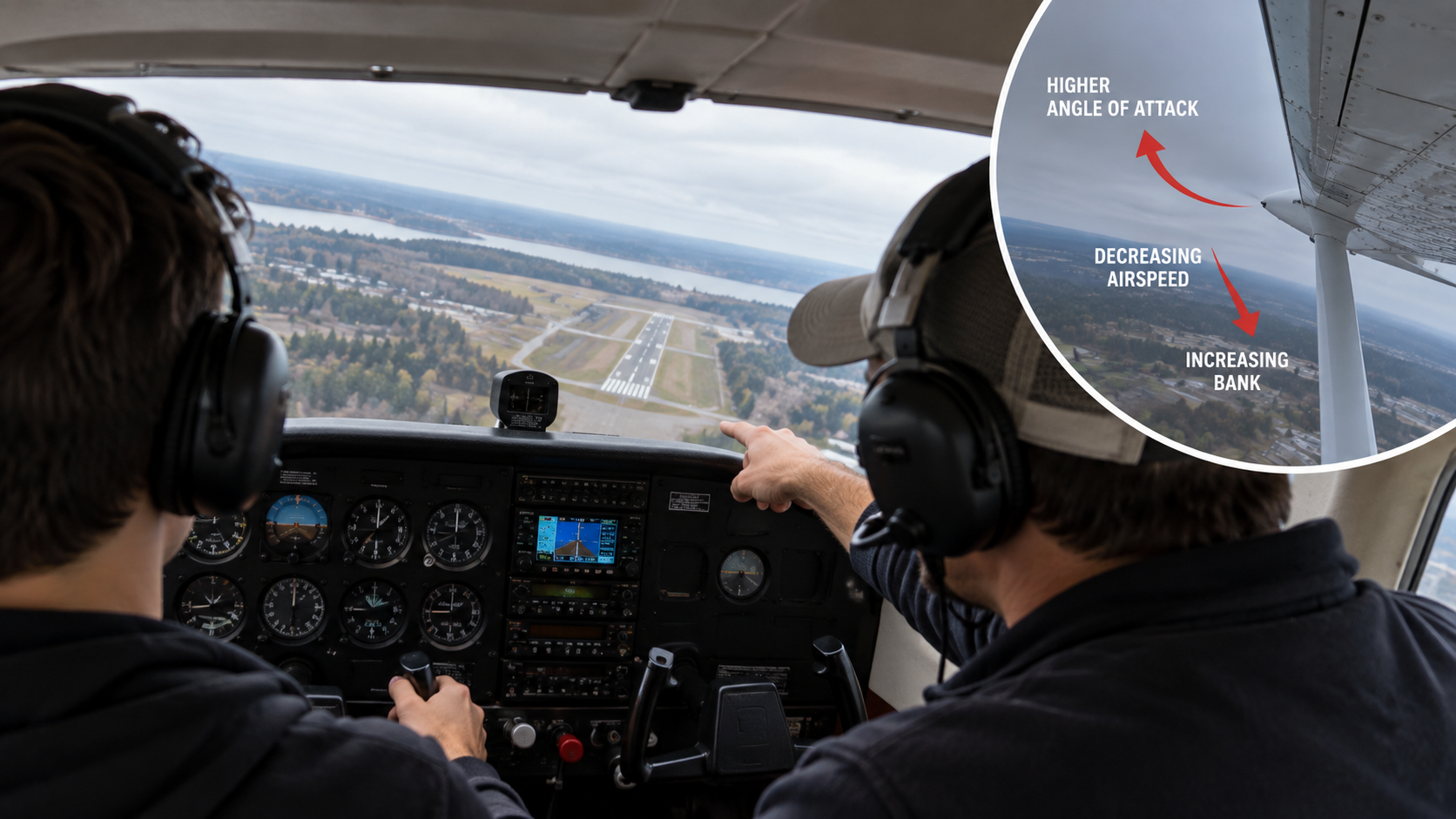
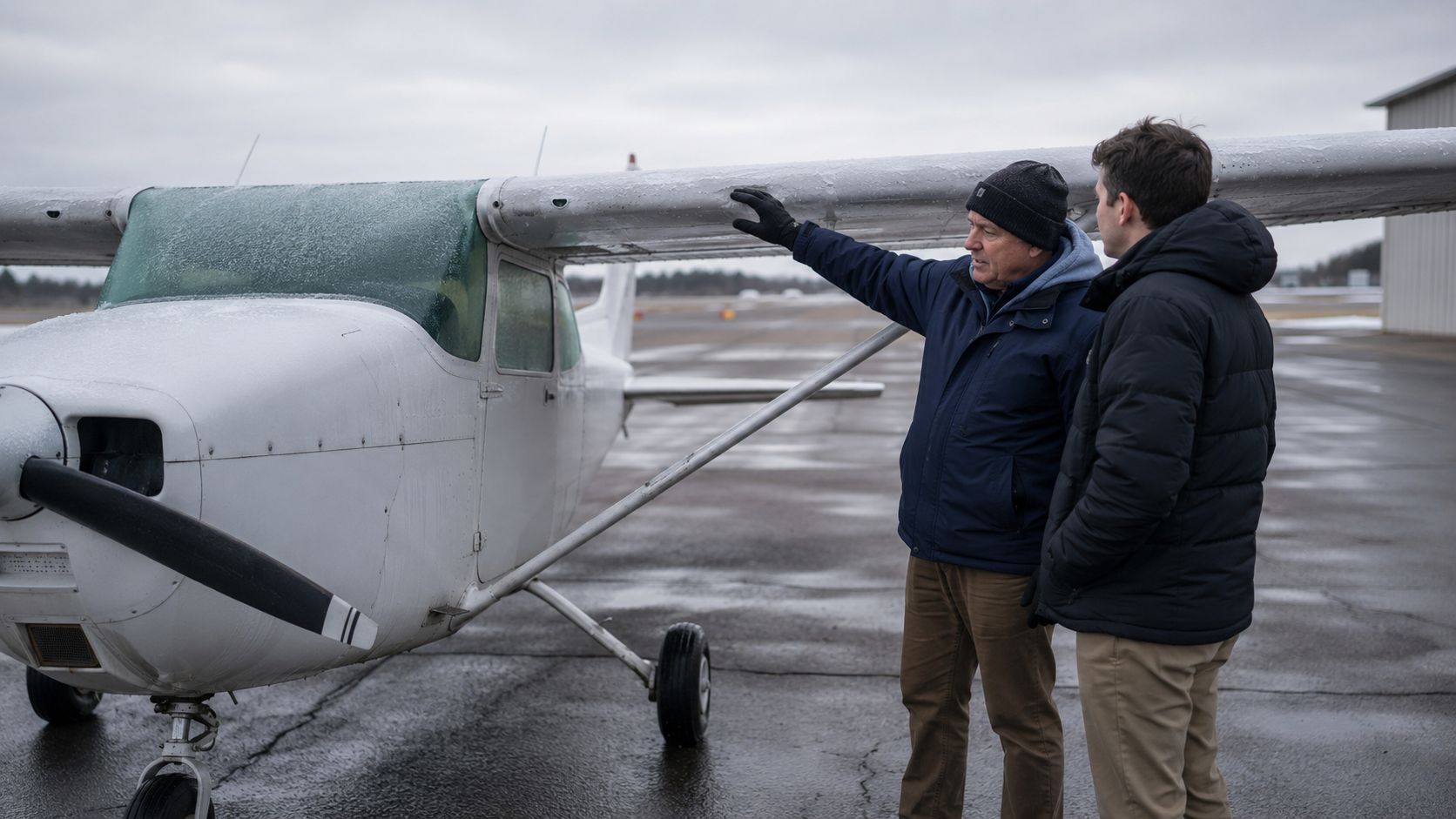
Every CFI teaches the lesson. Almost every CFI has failed it at least once.
That's not an accusation — it's statistics. Get-there-itis doesn't care how many hours you have, how cleanly you can recite the PAVE checklist, or whether you teach the FAA's five hazardous attitudes from memory every Saturday morning. It's not an intelligence problem. It's a pressure problem.
And pressure, if you haven't noticed, is basically aviation's primary fuel source.
The uncomfortable part isn't identifying get-there-itis in the accident reports. It's recognizing it in yourself, in real time, while you're still inside the decision window. That's the part nobody teaches in slow flight.
It's Not About Wanting to Get There
Here's where most training materials get it wrong. They treat get-there-itis like it's a stubbornness problem. Like the pilot who continues into deteriorating IMC just really wanted to make the dinner reservation.
Sometimes that's true. Usually, it's more complicated and more flattering to none of us.
The research points to something called plan continuation bias. Your brain commits to a plan. The plan includes arriving at the destination. Once that commitment locks in, every new piece of information gets filtered through a lens that has already decided what the answer is.
That's not laziness. That's architecture. Your brain is doing exactly what brains do. Resolving ambiguity toward the outcome you've already chosen.
The dangerous part isn't the decision to push forward. It's that by the time you're making that decision, it doesn't feel like a decision at all. It feels like you're continuing. The plan is just continuing. Everything is fine. You're just flying.
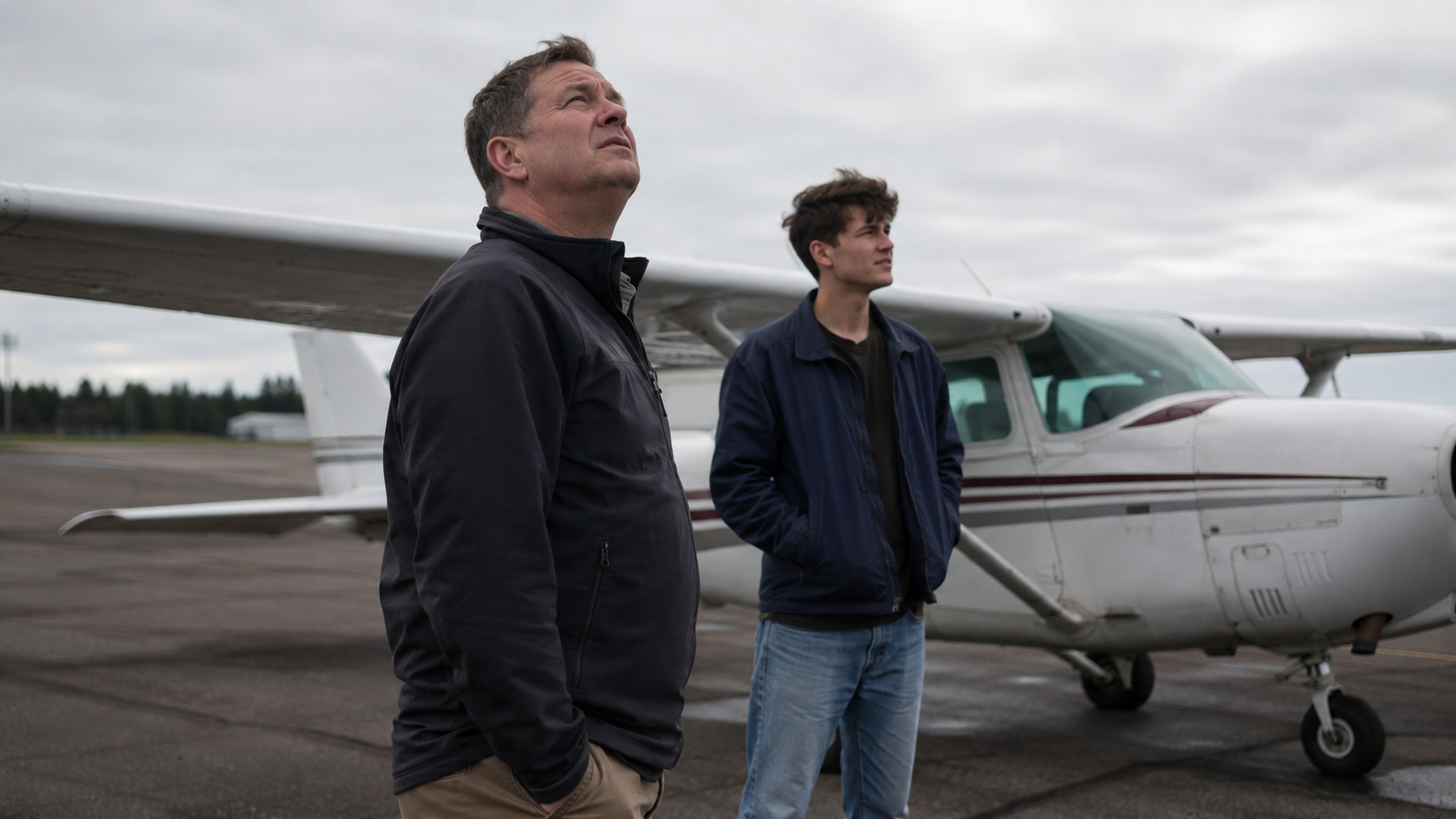
The Rationalization Chain
You've seen this. You've probably done this.
The weather is marginal but you've flown in worse. The ceiling is lower than forecast, but that's the forecast's problem. Destination is reporting 800-foot ceilings and 2 miles of visibility, but the ATIS is 20 minutes old and there might be improvement. You're already 60 miles out. You briefed an alternate. You've flown this approach before. There's a hole to the east.
Each individual statement is defensible. The chain of them, stacked together in the cockpit while you're shooting an approach in conditions your preflight self would have walked away from — that's a different document. That document gets read at the NTSB.
This is what makes get-there-itis so genuinely dangerous, it doesn't announce itself. It shows up dressed in reasonable clothes, carrying a weather briefing and a logical argument for each step. You don't feel yourself making bad decisions. You feel yourself making a series of entirely reasonable adjustments.
The accident chain isn't a chain. It's a staircase, and every step feels like solid ground until the last one.
Why CFIs Are Not Immune — And Might Be More Exposed
Here's the part most get-there-itis discussions skip entirely. Instructors have a specific vulnerability that student pilots don't, the student variable.
You have a lesson scheduled. Your student rearranged their work schedule to be there. They're close to a milestone — maybe the solo endorsement, maybe the stage check, maybe the checkride they've been building toward for seven months. The airplane is reserved for two hours with a waiting list behind it. Your day is blocked.
The weather is marginal.
You brief it. You walk to the ramp. You do that particular pilot squint at the sky, the one that means you're deciding whether to believe what you see or what the automated station is telling you. You check the PIREP from the Citation that came in an hour ago.
And then you go fly anyway.
Not because you're careless. Because you've been doing this long enough to feel the difference between "this is uncomfortable" and "this is actually dangerous." Because canceling feels like failure. Because the student has already been patient. Because you can handle it. Because it'll probably be fine.
Every one of those is a thought real instructors have. Every one of them has appeared in an accident narrative.
The student variable doesn't just create scheduling pressure, it creates identity pressure. The CFI who always cancels loses students. The CFI who never cancels is one bad decision from losing a lot more than students.
The Version of This No One Talks About
Get-there-itis doesn't only live in the cockpit.
It shows up in the briefing room, when you've mentally launched the flight and you're now looking for confirmation rather than information.
It shows up in your syllabus, when a student hasn't fully absorbed the last three concepts, but the next lesson is scheduled and you're already behind, so you continue anyway and hope it firms up on its own.
It shows up in your career planning , when you committed to a path, poured hours and money into it, and new data is arriving that suggests the landscape has shifted pretty significantly. But you're already 60 miles out, there might be a hole to the east, and the plan is just continuing.
The psychology is not flight-specific. The consequences, however, absolutely are.
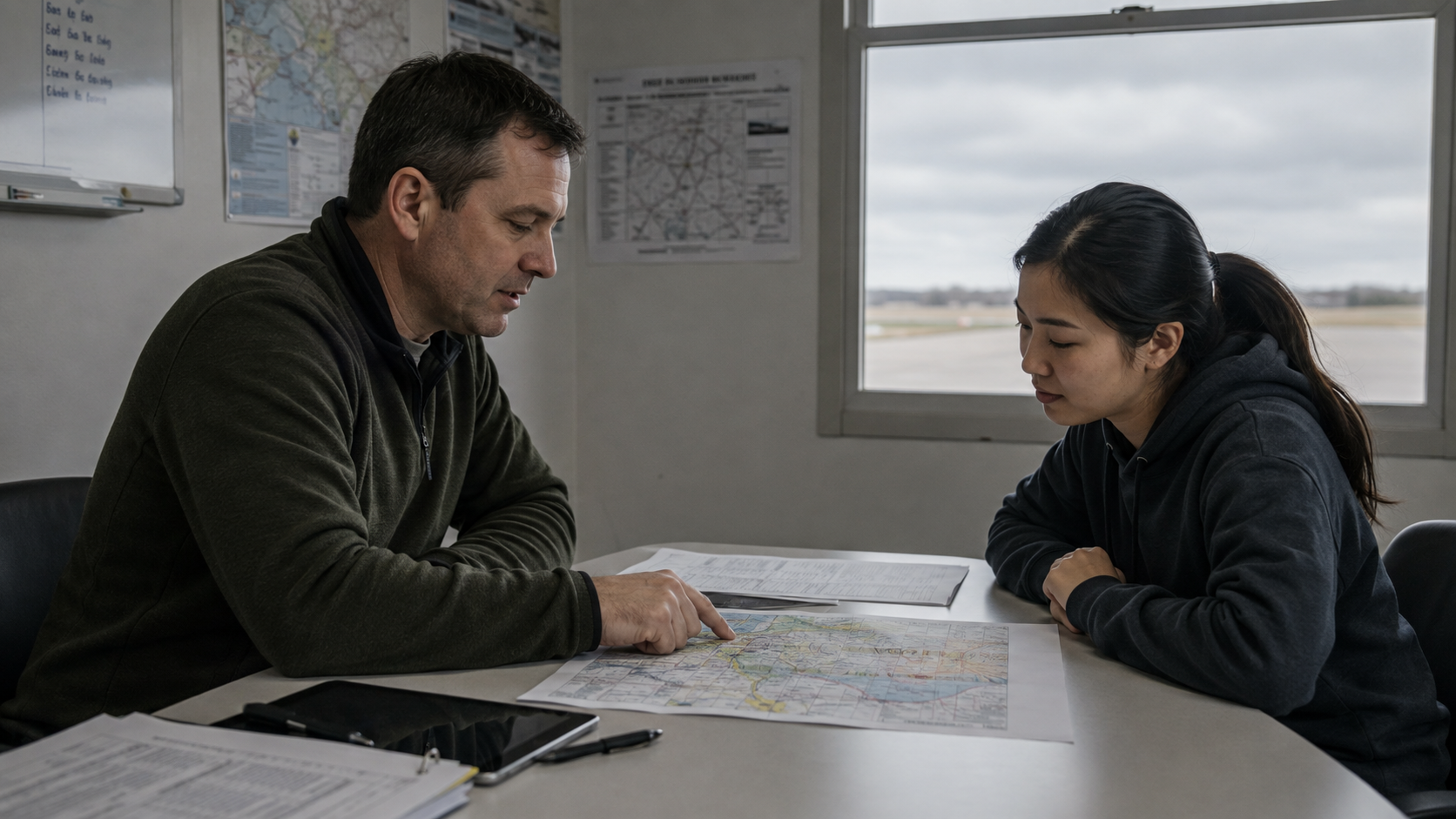
The Antidote Is Not Another Checklist
Every time someone asks how to prevent get-there-itis, someone else hands them a decision-making matrix. PAVE. IMSAFE. The 3P Model. The Five Hazardous Attitudes. The Personal Minimums Worksheet on page 47 in one of the handbooks right...
These are all good. They are not the fix.
The problem with get-there-itis is not that pilots don't know the checklist. It's that they know the checklist and keep going anyway. The checklist becomes one more item to complete before departure.
The actual antidote is harder and less publishable, lock your abort criteria before you need them and make them public.
Not as a preflight item. As a prior commitment. Before you look at the weather, before your student gets in the right seat, you decide what you will not do. What conditions will turn you around. What ceiling you won't shoot below. What crosswind you won't attempt in the training aircraft that still pulls left on rollout.
Then you say it out loud to another person, or you write it down.
Because behavioral research is unambiguous on this, a decision made public is substantially harder to quietly override later. Pre-committing out loud to your no-go criteria does something the checklist alone can't, it makes self-deception harder. You've already told someone where the line is. The rationalization chain has to work a lot harder to get you past it.
This is not a mindset shift. It's a structural intervention. And it's the one that actually works under pressure.
What You're Really Teaching When You Cancel
Here's the reframe worth carrying into your next student debrief.
Canceling a lesson in bad weather is not failure. It is not a weakness to apologize for. It is not something that requires an elaborate explanation about temporary conditions and how you'll make the time up.
It is the most valuable lesson your student will ever see you teach.
Because they are watching how you handle this. They're filing away what a working professional actually does when the pressure is real and the answer is uncomfortable. They'll remember whether "safety first" was a poster in the briefing room or a decision you made on a Tuesday when it would have been easier not to.
The CFI who grounds the flight calmly, without drama, without over-explaining and spends that hour doing a real weather analysis and a solid debrief before rescheduling without guilt, that CFI is teaching something the Airman Certification Standards doesn't test for.
They're teaching that you can be a professional and still say no. That the airplane will be there tomorrow. That the destination is not worth the approach.
That lesson is worth more than whatever was in the lesson plan.
You Already Know This. That's What Makes It Dangerous.
Get-there-itis doesn't take out pilots who've never heard of it. It takes out pilots who teach it, because familiarity with the concept creates the illusion of immunity.
You are not immune. Neither am I. The entire point of the psychology is that it doesn't feel like pressure when you're inside it. It feels like judgment.
The only pilots who consistently beat it are the ones who've built the structural conditions to make self-deception harder before the debrief, before the ramp, before the first rationalization has a chance to take hold.
Build those conditions now. Not next time. Not when the weather looks dicier.
Now, when it's clear and a million.
Join Us for the Next CFI Bootcamp Power Hour
If this hit close to home, good. That means you're paying attention.
We're breaking down get-there-itis in full at the next CFI Bootcamp Power Hour — not the textbook version. The version that shows up in real instructors' real decisions.
August 15th, 2026 | 12pm ET | Get-There-Itis - The Psychology Behind the Most Dangerous Pressure in Aviation
We'll cover:
How plan continuation bias actually works in the brain and why awareness alone doesn't fix it
The specific conditions that make CFIs more vulnerable than other certificate holders
The pre-commitment strategy that works under real scheduling pressure
How to brief no-go criteria with students in a way that actually sticks past the lesson
Absolutely free. No catch. Just show up.
👉 Register here: https://cfibootcamp.kartra.com/page/Power-Hour-Lessons-Show